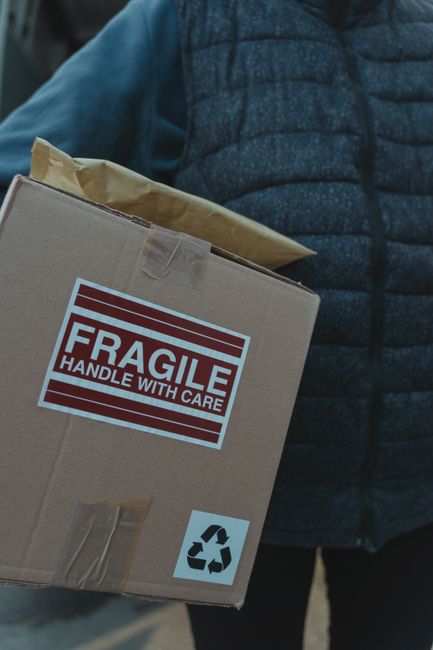
Piano and fragile removals Vauxhall specialist handling examples

If you are moving a piano, a mirror, a glass cabinet, or a box of heirlooms across Vauxhall, the stakes feel different straight away. One awkward turn, one narrow stairwell, one badly packed corner, and the day can go sideways fast. That is why Piano and fragile removals Vauxhall specialist handling examples matter so much: they show what careful, experienced moving looks like in the real world, not just in theory.
In this guide, we'll walk through how specialist handling works, what good practice looks like on local streets and in apartment blocks, why certain items need more than a standard van, and how to decide whether you need full support or just a few well-planned precautions. You'll also get practical examples, a proper checklist, and the kind of detail that helps you avoid the usual moving-day headaches. Truth be told, fragile removals are rarely about strength alone. They are about judgement.
Why Piano and fragile removals Vauxhall specialist handling examples Matters
Specialist handling matters because fragile items do not fail gracefully. A piano can be scratched, dented, or mechanically damaged if it is shifted the wrong way. Glass, artwork, lamps, antiques, and oddly shaped furniture can chip or crack from vibration alone. Even when nothing breaks, poor handling can leave scuffs, loose joints, snapped legs, or hidden damage you only notice later, which is the part nobody enjoys on a tired evening after a move.
Vauxhall adds a few local realities into the mix. Blocks with tight lifts, basement flats, awkward loading access, traffic near major routes, and busy pavements all make careful planning more important. A specialist approach is not about being fancy. It is about reducing risk in a place where one clumsy movement can become expensive very quickly.
And there is another point people sometimes miss: delicate removals are not only for high-value items. A family upright piano may have sentimental value that cannot be replaced. A dining table inherited from grandparents may be structurally fine but emotionally priceless. That changes the job. The handling has to respect both the object and the person moving it.
Expert summary: specialist piano and fragile removals are about controlled movement, the right protection, clear access planning, and staff who know how to protect the item before they even touch it.
If you want a broader look at how moving services are organised, the main removal services page gives a useful overview of the support options available for different move types.
How Piano and fragile removals Vauxhall specialist handling examples Works
At a practical level, the process starts before the van arrives. A good specialist will ask what the item is, how large it is, what floor it is on, whether there are stairs or a lift, and whether there is a tight corner or loading restriction outside. That information shapes the method. A grand piano on a ground floor in a wide house is a very different job from an upright piano on the third floor of a flat with a narrow staircase. Very different.
For fragile removals, handling usually follows a sequence: assess, protect, lift, secure, transport, and unload. Nothing glamorous there, but each stage matters. Protective blankets, padding, straps, corner guards, and proper lifting technique reduce movement and keep pressure off weak points. With pianos, extra care may include locking or stabilising the lid, protecting the keys and pedals, and making sure the instrument is moved in a balanced way rather than dragged or tilted badly.
The van also matters. A clean, suitably sized vehicle with tie-down points gives far better control than an improvised setup. Items should not rattle against each other. It sounds obvious, yet it is amazing how often this gets overlooked when people focus only on the lift and forget the journey.
Here is a simple way to think about it: specialist removals do not treat the item as "just another box". They treat it as a fragile system with weak points, balance issues, and a need for calm, deliberate movement. That is the difference, really.
For local moving situations, the man with a van option can suit smaller loads, while larger or more complex jobs may need a more structured moving plan. If you are moving furniture as well as delicate items, the furniture removals service is worth considering alongside the specialist approach.
Key Benefits and Practical Advantages
The first benefit is obvious: better protection for valuable items. But the real advantages go a bit further than that. Specialist handling often saves time because the crew is not improvising. It also lowers stress, which matters more than people admit. A move day already has enough little fires to put out; you do not need your piano becoming the main event.
- Reduced damage risk: padding, strapping, and controlled lifting protect delicate surfaces and internal components.
- Better route planning: stairs, lifts, door widths, parking, and turning space are checked before moving begins.
- Safer for everyone: proper handling lowers the risk of injury from heavy or awkward objects.
- Less disruption: the move is usually quicker and calmer when the right equipment is used from the start.
- More confidence: you can focus on the move itself instead of worrying about what might go wrong.
There is also a subtle financial benefit. Cheap handling can look appealing at first, but repairs to a cracked frame, chipped lacquer, or damaged mechanism can end up costing far more than proper care. The cheapest option is not always the cheapest in the end. Everyone learns that one eventually, sometimes the hard way.
Who This Is For and When It Makes Sense
This kind of specialist moving makes sense for homeowners, renters, landlords, musicians, collectors, schools, and anyone with items that are awkward, valuable, fragile, or emotionally important. In Vauxhall, it is especially useful for apartment residents, where access can be tricky and parking is rarely generous. If you live in a modern block with shared access, or a period building with tight internal turns, the added planning is usually worth it.
It also makes sense when you are moving more than one delicate item at once. Think piano plus framed artwork, or antique cabinet plus mirrors, or a delicate home office setup with monitors and glass shelves. The more mixed the load, the more useful careful sorting and protection become. You do not want soft furnishings squashed against a keyboard. They may seem harmless, but they can shift in transit and create pressure where you least want it.
Some people only need help for loading and unloading. Others need packing, dismantling, and transport too. That depends on your confidence, the item type, and how much access room you have. If you are unsure, that is usually a sign to ask for more detail, not less.
Step-by-Step Guidance
- Identify the fragile items early. Make a list of pianos, glass furniture, art, lamps, antiques, and anything sentimental or expensive to repair.
- Measure everything. Check item dimensions, doorways, stairs, hallways, lift sizes, and the van access point. Simple, but often skipped.
- Photograph valuable items. A quick photo record can help you track condition before the move and spot any existing marks.
- Prepare the item. Remove loose parts, secure lids or doors, and wrap delicate surfaces with appropriate padding.
- Clear the route. Move rugs, boxes, pet bowls, and other trip hazards out of the way. One stray shoe on a stair can be a nuisance, honestly.
- Protect corners and edges. Use blankets, foam, corner protectors, and straps to keep the item stable and shielded.
- Load carefully. Place the item where it will not shift. Tie it down if needed, and avoid stacking anything heavy against it.
- Unload in the right order. Fragile items should usually come off the van at the point when staff are least rushed and most able to focus.
- Inspect immediately. Check for marks, chips, alignment issues, or movement before signing off the job.
One useful habit is to keep the "most fragile" items together in a separate, clearly marked category. It sounds basic, but it changes the pace of the whole move. You will notice the difference almost straight away.
Expert Tips for Better Results
Start with the route, not the item. That may sound backwards, but it works. If the hallway bends sharply or the stairwell is narrow, the method changes before anyone lifts a thing. A piano may need two or more movers simply because the geometry of the building demands it. And yes, geometry can be a bit rude like that.
Use the right wrapping method for the right surface. Gloss finishes scratch differently from matte wood. Glass needs edge protection more than bulk padding. Painted frames can pick up scuffs from rough tape or loose straps. Little detail, big difference.
Keep fragile loads separate from ordinary household boxes. A box of kitchenware should not be buried under a mattress or wedged beside a keyboard. It is tempting to squeeze everything in, especially when you are trying to save trips, but packing density is not the same as safe packing.
If the item has moving parts, stabilise them. That includes lids, drawers, pedals, shelves, and removable feet. Even a small shift inside the item can create damage on the road. Strange but true.
Finally, allow a bit more time than you think you need. Rushed fragile removals are where mistakes creep in. A calm ten extra minutes at the property can save hours of frustration later.
Common Mistakes to Avoid
The biggest mistake is assuming "fragile" only means "wrap it in something soft". Not quite. Soft wrapping helps, but protection without planning can still fail if the item is awkward to manoeuvre or poorly secured in transit.
- Underestimating weight: many pianos and large fragile items are heavier than they look.
- Using too little protection: thin blankets or loose wrapping often are not enough.
- Ignoring access issues: stairs, lifts, and entrances should be checked before moving day.
- Stacking items badly: putting pressure on fragile surfaces is asking for trouble.
- Rushing the final unload: the last few metres are often where care slips.
- Not confirming insurance: if you are hiring help, understand what cover is in place and what it means in practice.
Another common error is booking the wrong size of service. A small van and two people may be fine for a few framed pieces. It is not ideal for a heavy upright piano plus a set of antique cabinets. Being realistic at the start is far better than discovering the problem on the pavement outside.
Tools, Resources and Recommendations
Specialist removals are easier with the right kit. You do not need every possible tool, but you do need the basics that match the load. The exact setup depends on the item and property layout, yet the following are commonly useful:
- padded removal blankets
- straps and securing gear
- corner protectors
- sturdy gloves with grip
- trolleys or dollies suitable for the item
- sliders for short internal moves where appropriate
- packing paper and bubble wrap for smaller fragile pieces
- clear labels for priority handling
If you are packing yourself, the packing and boxes service can help with stronger materials and better organisation. For more complex preparation, packing and unpacking services can take pressure off the move and reduce the chance of careless wrapping.
For piano-specific planning, it also helps to read about piano removals so you can understand the specialist process before booking. If you are comparing broader moving options, the removal companies page can help you think through the type of support you need.
Law, Compliance, Standards, or Best Practice
While piano and fragile removals are not the sort of thing that usually involves complicated legal rules for the customer, there are still important best-practice expectations. In the UK, you should expect a moving provider to act responsibly around safety, handling, and property protection. That includes sensible manual handling, suitable equipment, and clear communication about any risks they have identified.
If a property has shared access, building rules may matter too. Some flats and managed buildings have restrictions around lift use, loading times, or parking. In Vauxhall, that can be especially relevant in busier developments. It is sensible to check these details early so there are no awkward conversations on the day. Nobody wants to be standing in a lobby arguing with a concierge while a piano waits outside in the drizzle. Not ideal.
You should also ask about insurance and safety arrangements in a straightforward way. A trustworthy mover will not mind that question. If anything, they should welcome it. For a more detailed look at this topic, the insurance and safety page explains the kind of assurance customers should look for, while the health and safety policy gives a clear sense of the standards being followed.
When reviewing any move quote, look for clarity. Good practice means clear pricing, clear scope, and no mystery around what is included. If you want to understand how pricing is typically presented, the pricing and quotes page is a sensible place to compare expectations before you book.
Options, Methods, or Comparison Table
Not every fragile move needs the same setup. Here is a simple comparison to help you think it through.
| Method | Best for | Strengths | Limitations |
|---|---|---|---|
| Basic van hire with self-loading | Light fragile items, confident movers, simple access | Lower upfront cost, flexible timing | Higher risk if items are heavy, awkward, or valuable |
| Man and van with assisted handling | Mixed household items and moderate fragile loads | More support, easier loading, quicker transit | May not suit pianos or highly delicate specialist items |
| Specialist fragile removals | Pianos, antiques, glass furniture, artwork, high-risk items | Best protection, better planning, safer handling | Usually more involved and sometimes more expensive |
If you only need straightforward moving help, a man and van service may be enough. For larger household jobs, the broader house removals option often provides a better fit. The main question is not "which is cheapest?" but "which reduces the chance of damage in my situation?" That is the one that matters.
Case Study or Real-World Example
Imagine a family moving out of a second-floor flat near Vauxhall with an upright piano, two large mirrors, and a glass-topped dining table. The property has a narrow internal turn on the staircase and limited parking outside. On paper, it looks manageable. In real life, it needs a bit of thinking.
The first step is a pre-move check: measure the stair width, identify the strongest carrying points on the piano, and decide whether the mirrors should travel upright with edge protection rather than flat. The glass table is removed from its base, wrapped separately, and labelled clearly. The piano is protected with blankets and secured so the lid and pedals do not move during transit. The team avoids stacking anything against it in the van, even though there is "just enough room" to squeeze in another box. That extra box is never worth the risk, by the way.
On arrival, the piano is unloaded first while everyone is still fresh. The mirrors are brought in after the route is cleared and the table base is already positioned. Because the sequence is planned, there is less backtracking, less bumping around, and fewer chances for someone to rush. The move feels calm, almost boring. Which, for fragile removals, is exactly what you want.
This is where specialist handling earns its keep. Not through drama, but through careful routine. Good moves often look uneventful. That is the point.
Practical Checklist
Use this before moving day. It keeps things tidy when the pace gets a bit frantic.
- Confirm which items are fragile, heavy, or unusually shaped.
- Measure all access points, including stairs, lift doors, and entryways.
- Take photos of valuable items before the move.
- Remove loose parts, shelves, pedals, or detachable fittings.
- Prepare blankets, wrap, straps, and labels.
- Clear the route inside the property and outside the entrance.
- Check parking or loading access in advance.
- Ask about insurance, safety process, and what level of handling is included.
- Keep fragile items separate from general boxes.
- Inspect everything once unloaded.
If you are moving a larger mix of household contents, the home moves page may also help you think through the wider move structure. For local flat moves where access is a real concern, flat removals is useful context too.
Conclusion
Piano and fragile removals Vauxhall specialist handling examples show one simple truth: the right move is the one that protects the item, the property, and your peace of mind. Whether you are relocating a family piano, moving a glass cabinet, or taking care of a few delicate keepsakes, specialist handling gives you a far better chance of a smooth day.
The best results usually come from careful planning, honest assessment of the access route, the right wrapping and securing methods, and a team that knows when to go slowly. That may not sound dramatic, but it is what keeps damage, stress, and unnecessary costs out of the picture. And let's face it, moving day can do with a bit less drama.
Get a free quote today and see how much you can save.
When you are ready, choose the approach that makes the move feel steady rather than rushed. That steady feeling is worth a lot.
Frequently Asked Questions
What counts as a fragile item in a house move?
Fragile items include glass furniture, mirrors, artwork, lamps, antiques, ornaments, electronic equipment, and anything with a delicate surface or structure. A piano also falls into a specialist category because of its weight, internal components, and sensitivity to poor handling.
Do I really need specialist handling for an upright piano?
In many cases, yes. An upright piano may look manageable, but it is heavy, awkward, and easy to damage if it is moved badly. Specialist handling is especially useful when there are stairs, tight corners, or limited parking outside the property.
How do I know if my move needs more than a regular man and van service?
If you have a piano, large glass items, antiques, or awkward access, it is worth considering specialist support. A regular service can suit smaller and simpler loads, but once the item becomes heavy or high-risk, the handling method matters more than the vehicle alone.
What should I ask before booking fragile removals in Vauxhall?
Ask about experience with delicate items, handling methods, insurance, access planning, packing support, and whether the quote includes loading and unloading. Clear answers are a good sign. Vague answers usually are not.
How should a piano be protected during a move?
A piano should be stabilised, padded, and secured so its surfaces and moving parts are protected. The specific method depends on the model, access route, and transport conditions. The key point is to stop shifting, rattling, and pressure on vulnerable areas.
Can fragile items travel with normal household boxes?
They can, but it is not always wise. Fragile items should be separated from heavier boxes and placed so they are not crushed or rubbed during transit. Mixed loads need better packing discipline than people often realise.
How early should I plan a specialist removal?
As early as you can, especially if the move involves stairs, a piano, or multiple fragile pieces. Early planning gives you time to check measurements, parking, access issues, and any building rules that could affect the move.
What if my building has a tight stairwell or narrow lift?
That is exactly the kind of detail that should be flagged early. A tight route can change the handling method completely. Sometimes the safest option is a slower carry, sometimes extra protection, and sometimes a different moving plan altogether.
Are fragile removals more expensive than standard removals?
Usually they can be, because they often require extra protection, more time, specialist handling, or additional staff. The cost depends on the item, access, and service level. It is best to compare quotes based on what is actually included rather than the headline figure alone.
What is the biggest mistake people make with fragile removals?
The biggest mistake is underestimating the item and the access route. People often focus on the thing itself and forget the stairs, corners, parking, or the need to secure items properly in the van. That is where avoidable damage tends to happen.
Should I pack fragile items myself or leave it to the movers?
That depends on your confidence, the value of the items, and how much time you have. Self-packing can work well for careful, well-labelled boxes. For expensive or awkward items, professional packing support often reduces risk and takes pressure off the day.
What happens after the items are delivered?
Once items are unloaded, they should be placed carefully in the correct room or position and checked for any obvious issues. It is sensible to inspect fragile items straight away so any concerns can be noticed early rather than days later.