Recycling and Sustainability for Man And Van Vauxhall
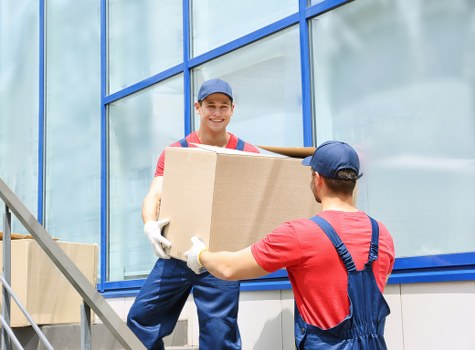 At Man And Van Vauxhall, recycling is built into the way we work every day. As a local removals and transport service serving a busy inner-London area, we know that responsible handling of unwanted items matters just as much as moving the items people want to keep. Our approach to Vauxhall man and van recycling focuses on reducing landfill use, separating materials correctly, and keeping reusable goods in circulation for as long as possible. We aim for a 75% recycling and reuse target across suitable collection loads, measured by the volume of items and materials diverted away from disposal. That includes furniture reuse, material recovery, and careful sorting of mixed household and office waste.
Because Vauxhall sits close to several London borough boundaries, our work often involves handling waste streams that reflect different boroughs’ approaches to separation. Many local authorities encourage residents to sort dry mixed recycling, food waste, garden waste, and residual rubbish into distinct streams, and we support that by keeping similar materials grouped wherever possible during loading and transfer. This is especially helpful for cardboard, rigid plastics, metal fittings, textiles, and small electrical items, which can often be processed more efficiently when they arrive in the right condition. Our Man and Van Vauxhall recycling method is designed to make that transition smoother.
We also make regular use of local transfer stations and borough-approved waste facilities in and around south and central London. These facilities help us route materials to the most appropriate processing line, whether that means recovery for wood and metal, specialist handling for electrical waste, or onward sorting for mixed recycling.  Using nearby transfer stations reduces unnecessary mileage and keeps disposal practical for the fast-moving rhythm of removals in Vauxhall, Kennington, Nine Elms, and surrounding districts. Shorter journeys also mean fewer emissions and less congestion, which supports a cleaner local environment.
Our sustainability policy also depends on partnerships with charities and community groups. When clients no longer need furniture, books, kitchenware, or office items in usable condition, we prioritise donation routes before recycling or disposal. This creates a second life for items that still have value, helping local good-cause organisations and reducing the pressure on waste systems. In practice, that means separating cleaner, usable pieces from damaged materials so they can be assessed for redistribution. Reuse first, recycle second is a simple principle, but it has a strong environmental impact.
In a dense urban area like Vauxhall, even small improvements in waste sorting can make a noticeable difference. Our team is careful with items commonly found in flats, shared homes, and offices: flat-pack furniture, shelving, packing materials, lamps, monitors, and mixed bags of household clear-out waste. 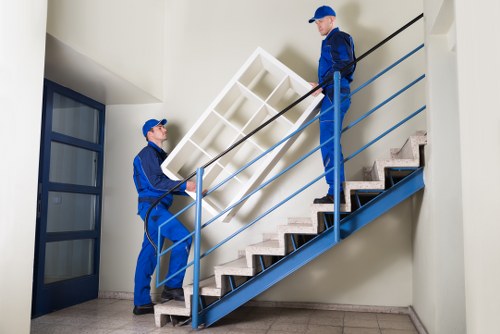 Where possible, we separate cardboard from soft plastics, metals from general waste, and reusable textiles from contaminated fabric. This reflects the wider London focus on cleaner recycling inputs, especially where borough collection services may require residents to follow specific sorting rules for dry recycling, food waste, and bulky waste. By mirroring that discipline during removals, we help reduce contamination and improve recovery rates.
Another key part of our sustainability work is our investment in low-carbon vans. We are steadily increasing the share of efficient vehicles in the fleet, including modern low-emission vans that produce less pollution on urban routes. These vans are particularly valuable in central and south London, where stop-start traffic, restricted access streets, and short transfer runs can otherwise increase fuel use. We also plan journeys carefully so that each Vauxhall man and van job makes the best use of vehicle capacity, reducing repeat trips and helping cut overall emissions. The result is a practical, lower-carbon service that suits both city logistics and environmental responsibility.
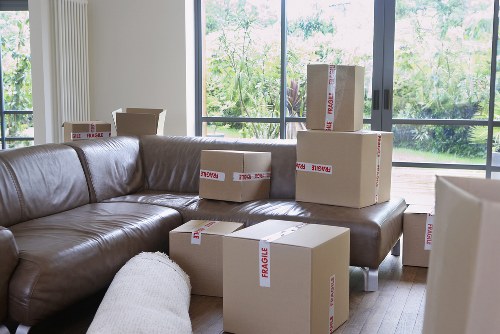 For larger clear-outs, we apply a detailed sorting process before anything leaves the property. This includes checking what can be donated, what can be dismantled for material recovery, and what needs specialist recycling. Wooden furniture may be separated from metal fixings, and recyclable packaging is kept away from contaminated waste. In some cases, items are routed through local transfer stations so they can be bulked and sent to the correct treatment facility. This approach supports a more circular system and helps residents and businesses in Vauxhall manage waste in a way that aligns with borough-level recycling goals.
We also recognise that sustainability is not only about the final destination of waste, but about reducing waste generation in the first place. That is why our team encourages careful pre-sort planning during removals and clear-outs. When clients can identify what is being kept, donated, recycled, or disposed of before the van arrives, the process becomes faster and more efficient. It also improves the chances of directing materials into the correct stream, whether that is metal recycling, cardboard baling, reuse through charity partnerships, or responsible disposal of non-recoverable items. This practical planning supports our recycling percentage target and reinforces a cleaner service model.
 Looking ahead, Man And Van Vauxhall remains committed to improving our environmental performance while delivering reliable local transport. By combining charity partnerships, smarter material separation, nearby transfer station use, and a growing low-carbon fleet, we aim to provide a service that fits the needs of a changing city. In an area where borough recycling rules increasingly emphasise clean sorting, reduced contamination, and better recovery, our work is designed to complement those goals. Whether it is a household move, an office clearance, or a bulky item collection, our recycling and sustainability approach keeps usefulness, reuse, and responsibility at the centre of everything we do.