Sustainable Removals Vauxhall: Donate, Recycle and Reduce Waste Without Making Moving Day Harder
Moving house or office in Vauxhall can create a surprising amount of waste. Old furniture, torn boxes, broken lamps, random cables, half-used cleaning products, and the usual mystery items from the back of cupboards... it all adds up fast. The good news is that sustainable removals in Vauxhall do not need to be complicated. With a sensible plan, you can donate useful items, recycle what can be recovered, and reduce waste before it ever leaves your door.
This guide explains how Sustainable removals Vauxhall donate recycle and reduce waste works in real life, what to do before moving day, and how to make greener choices without turning your move into a project from hell. It is written for people who want a practical, local approach that saves time, cuts clutter, and keeps more items in use for longer.
Why Sustainable Removals Vauxhall Donate Recycle and Reduce Waste Matters
Removals are one of those moments when waste quietly multiplies. A drawer full of cables becomes three bags. A wardrobe that looked manageable suddenly needs dismantling. Then there are the items that are technically still fine, but you no longer need them. If you simply throw everything away, you pay for disposal, create unnecessary landfill pressure, and lose the chance to give useful items a second life.
In a busy place like Vauxhall, where many people move between flats, shared houses, offices and short-term lets, this matters even more. Space is limited, lifts are small, and the last thing anyone wants is a huge pile of rubbish sitting in the hallway on the morning of the move. A more sustainable approach keeps things moving cleanly and calmly. To be fair, that alone is worth a lot.
There is also a practical side. Sorting items properly before a move usually makes packing easier, reduces the volume you transport, and can lower removal costs. Less junk means fewer boxes, fewer trips, and less stress. It is not glamorous, but it works.
If you are planning a move and want a greener approach from the start, it can help to look at broader support such as removals, furniture removals, and the company's own recycling and sustainability guidance. Those pages are useful for understanding how a move can be organised with less waste.
Another reason it matters is simple responsibility. If an item can be donated, repaired, reused or properly recycled, that is usually better than treating it as general waste. Not every object will qualify, of course. But the habit of asking "Can this still be used?" before the bin lorry question comes up makes a real difference.
How Sustainable Removals Vauxhall Donate Recycle and Reduce Waste Works
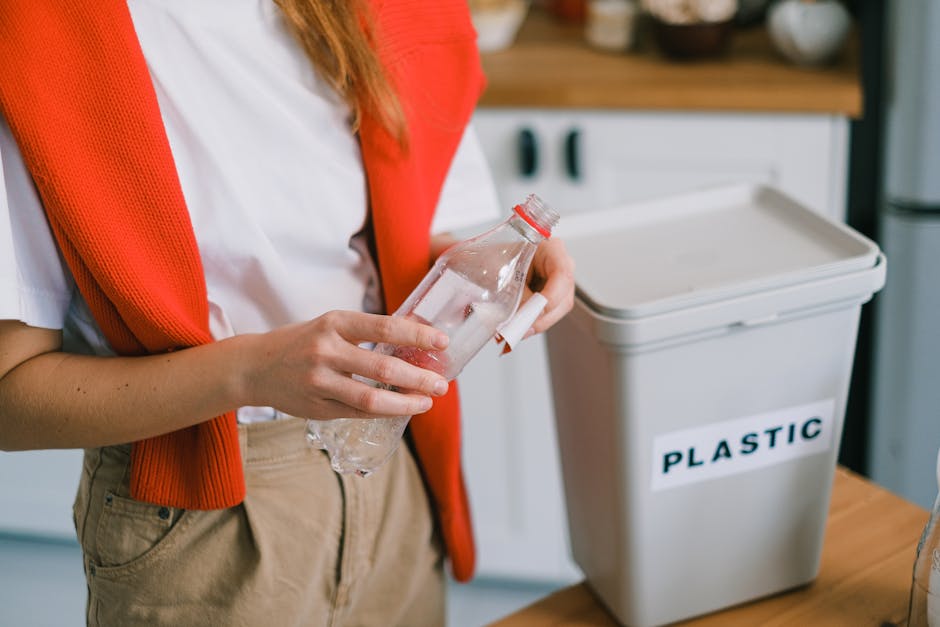
The process is really a sequence of decisions. You sort items by condition, separate what can be kept from what should move on, and then match each category to the right route. Some things can go to charity or a reuse channel. Some should be recycled because the materials are recoverable. Some are beyond saving and need responsible disposal. The point is to avoid mixing everything together.
In practice, a sustainable removal plan usually follows three paths:
- Donate items that are clean, safe, and still useful.
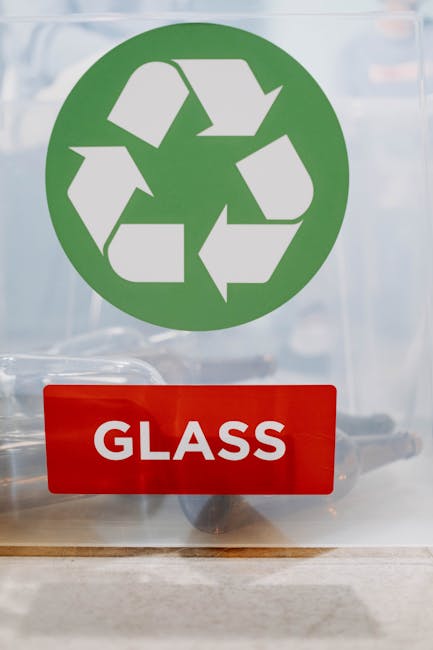
- Recycle materials that can be broken down and processed correctly.
- Reduce by keeping only what you genuinely need and by using less packaging.
It sounds basic, and it is. But basic done well is powerful. For example, a sturdy dining table, a lamp that works, or an office chair in decent condition does not belong in the same pile as broken plastics or damaged mattresses. Likewise, cardboard, paper, and certain packaging should not be treated as one big unsorted bundle if you can help it.
On moving day, a good removal team should be able to separate load categories sensibly, protect reusable items, and keep disposal routes clearer. If you need a more flexible vehicle setup for a smaller move, options such as man and van, man with a van, or removal van support can be practical. For larger or more complex jobs, removal services may be the better fit.
A more sustainable move is not just about disposal. It also includes packing smarter. Reusing strong boxes, using blankets and covers where appropriate, and avoiding excessive single-use materials all helps. If you are starting early, packing and boxes and packing and unpacking services can be useful supports rather than an afterthought.
Key Benefits and Practical Advantages
The benefits of greener removals go beyond feeling virtuous. There are direct, everyday wins that people notice quickly.
- Less clutter to move: If you donate or recycle before moving, you transport less volume.
- Lower disposal stress: You are not left wondering what goes in which pile at the last minute.
- Better use of useful items: Good furniture, working appliances and usable household items can continue their life elsewhere.
- Cleaner move day: Hallways, stairwells and vans stay tidier when waste is sorted early.
- Potential cost savings: Less to move often means less time and less vehicle space used.
There is another advantage people often underestimate: decision-making becomes easier. Once you commit to a donation, recycle or keep system, you stop drifting between "maybe I'll take it" and "maybe I'll bin it". That hesitation can chew up hours. Nobody needs that on a Tuesday morning with boxes everywhere.
Sustainable removals also support better local reputation for landlords, tenants, offices and small businesses. A tidy, considerate move creates less mess for neighbours, building managers and whoever uses the space next. In a shared building, that counts. A lot, actually.
Who This Is For and When It Makes Sense
This approach is useful for almost anyone moving in or out of Vauxhall, but it is especially valuable in a few common situations.
- Flat movers: If you live in a compact flat, you probably have duplicate kitchenware, old storage items or furniture you no longer need.
- Students: Student moves often involve cheap furniture, books, and mixed household items that should be sorted properly. student removals can be a sensible option here.
- Home movers: House moves often reveal years of accumulated belongings that are still usable but not worth taking. home moves benefit massively from pre-sorting.
- Office relocations: Desks, chairs, archived materials, monitors and packaging can generate a lot of waste if not handled carefully. office removals and commercial moves are good places to build sustainability into the plan.
- Landlords and property managers: End-of-tenancy clearances often include a mix of left-behind items, damaged goods and reusable household bits.
- Anyone decluttering before a move: If you are trying to start fresh, reducing waste makes the whole process cleaner.
Sometimes the trigger is not a big move at all. Maybe you are replacing a sofa. Maybe one room is being refreshed. Maybe you need furniture pick-up for a single bulky item that should be reused rather than dumped. Those smaller decisions matter too.
Step-by-Step Guidance
Here is a practical way to handle a sustainable move without getting overwhelmed. Keep it simple. One room at a time is usually enough. That is how most people actually get it done, to be honest.
- Walk through the property room by room. Decide what you are taking, donating, recycling or disposing of.
- Create four clear piles. Keep, donate, recycle, dispose. If possible, label them with tape or sticky notes.
- Check condition honestly. If something is broken beyond easy repair, do not force it into the donation pile just because it feels better.
- Separate reusable packaging. Strong boxes, paper filling, covers and blankets can often be reused for the next move.
- Group bulky items early. Large furniture, white goods and awkward objects should be flagged in advance so the vehicle and crew are planned correctly.
- Book the right support. Choose the removal help that matches your load and distance, whether that is a man with van setup, removal truck hire, or a broader service package.
- Keep donation items clean and presentable. A quick wipe, bag of screws, or neatly taped cable can make an item much more usable.
- Set aside time for final checks. Before the vehicle leaves, make one last sweep of cupboards, lofts, under beds and behind radiators.
A small but useful tip: make the donation decisions before you start heavy packing. Once the tape gun comes out, everything starts to look like "maybe useful later". That is how clutter survives. Sneaky stuff.
Expert Tips for Better Results
Over time, the best sustainable moves tend to share the same habits. Not dramatic changes. Just good discipline.
1. Start with the biggest items. Large furniture and appliances define the move more than anything else. If you can remove one sofa, one wardrobe, or one desk from the load, you immediately simplify the whole operation.
2. Treat documentation as part of the move. For offices and higher-value household items, keep a short list of donated items, recycled equipment, and items moved into storage. It helps avoid confusion later.
3. Use storage strategically. If you are undecided about a few items, temporary storage can stop you from dumping them impulsively. Just do not use storage as a place to hide indecision forever. We have all seen that movie.
4. Be realistic about what can be donated. Donation is brilliant for usable goods, but charity and reuse channels usually need items to be clean, safe, and in reasonable condition. If it is stained, cracked or unstable, choose another route.
5. Ask about handling for special items. Heavy or sensitive items may need different treatment. For example, piano removals need careful planning, while fragile belongings may benefit from professional removal services.
6. Keep packaging lean. Use only the materials you actually need. A mountain of bubble wrap around one mug? That is not the vibe.
7. Match the vehicle to the job. Smaller moves often suit a compact van. Larger loads may need a truck or broader team. Choosing well can reduce repeated journeys, which is good for time and emissions.
Common Mistakes to Avoid
Most waste problems during removals come from a few predictable mistakes. The good news is they are all avoidable.
- Leaving sorting until the night before: You end up panic-tossing things into bin bags and hoping for the best.
- Donating damaged goods: If an item is unsafe or in poor shape, it may create extra work for whoever receives it.
- Mixing recyclables with general rubbish: Once everything is blended together, the opportunity to recover materials drops fast.
- Over-packing fragile items: Too much material is wasteful; too little is risky. The sweet spot is somewhere in the middle.
- Not measuring bulky furniture: If something will not fit through a doorway, you may end up needing last-minute adjustments.
- Ignoring building access: In Vauxhall flats and offices, lifts, stairs and parking access can affect how long the move takes.
One more thing: do not assume all waste is the same. Cardboard, metal, textiles, wood, electricals and general rubbish all need different handling. That distinction saves time and avoids mess. Simple, but often skipped.
Tools, Resources and Recommendations
You do not need a complicated toolkit to make a greener move, but a few practical items help enormously.
- Marker pens and labels: Great for identifying donation, recycle and keep boxes.
- Strong reusable boxes: Better for the environment and usually more reliable than flimsy single-use packing.
- Blankets, straps and covers: Useful for protecting furniture so it can be reused or moved safely.
- Basic cleaning supplies: A quick wipe can turn "maybe not" into "yes, reusable".
- A phone camera: Handy for recording item condition, especially if you are comparing what to keep, donate or store.
For service support, the most relevant pages tend to be the ones that match your actual moving setup. If you need help moving a flat, flat removals may be the right starting point. For households with more furniture or heavier items, house removals or house removalists are more appropriate. If you are comparing service levels, the removal companies page can help you think through the broader options.
If you want pricing clarity before booking, pricing and quotes is a sensible page to review. And for peace of mind around handling, look at insurance and safety and health and safety policy.
Law, Compliance, Standards and Best Practice
For most householders, sustainable removals are about good practice rather than complex legal work. Still, it helps to know the basics. Items should be disposed of responsibly, not fly-tipped or left in communal areas. Electrical items, bulky waste and certain materials require particular care, and professional operators are expected to handle loads safely and lawfully.
In the UK, there are also normal expectations around waste duty of care, safe transport, and correct handling of items that could pose a risk. You do not need to become a compliance expert to move house, but you should expect your removal provider to be clear about how items are sorted, carried and disposed of. If something is being recycled, donated or moved to storage, it should be handled in a way that makes sense for the item and the building.
Best practice usually includes:
- sorting items before collection where possible;
- using appropriate vehicles and lifting methods;
- protecting reusable goods from damage;
- keeping recyclable material clean and separated where practical;
- avoiding unnecessary disposal of items that still have useful life;
- communicating clearly about any restricted or awkward items.
For business moves, the expectation is even higher. Offices often contain IT equipment, archives and branded items that should not be treated casually. office relocation services are particularly useful when you need better control over what is reused, stored, recycled or discarded.
If you are planning a move with sustainability in mind, reading the company's terms and conditions can also help set expectations clearly. That is one of those boring-but-smart tasks. Worth it.
Options, Methods and Comparison Table
Not every item should follow the same route. Here is a simple comparison to help you decide what to do with common moving-day belongings.
| Option | Best for | Typical condition needed | Main advantage |
|---|---|---|---|
| Donate | Furniture, homeware, books, usable decor, clean textiles | Clean, safe, complete, still functional | Extends item life and reduces waste |
| Recycle | Cardboard, paper, some metals, certain plastics, electrical items where suitable | Separated correctly, not contaminated with general waste | Recovers materials and reduces landfill use |
| Store | Items you are unsure about, seasonal goods, sentimental belongings | Suitable for safe keeping | Buys time to decide properly |
| Dispose | Damaged, unsafe or unrepairable items | Beyond reuse or recycling options | Removes waste that cannot reasonably be kept in circulation |
For many people, the smartest mix is donation plus recycling, with a smaller amount of true disposal. That combination usually gives the best balance of convenience and responsibility.
Case Study or Real-World Example
Imagine a two-bedroom flat in Vauxhall, with a small home office corner and one very full storage cupboard. The tenants are moving to a new place nearby and want a cleaner, lower-waste move. The first pass reveals three chairs, one bookshelf, a kettle, several boxes of books, a broken side table, old chargers, and a pile of packaging from deliveries.
What happens next is straightforward. The chairs and kettle are checked for condition and set aside for donation because they are clean and usable. The books are sorted, with duplicates and outdated manuals kept to one side for passing on or recycling where appropriate. Chargers and cables are bundled and labelled rather than thrown into mixed waste. The broken side table is separated for disposal because it is no longer safe to use. Cardboard is flattened and grouped together.
By the time moving day arrives, there is less clutter to carry, fewer random objects to decide on, and a much calmer hallway. The van is loaded more efficiently, and the move finishes earlier than expected. No magic. Just good sorting and a bit of discipline. You can almost hear the sigh of relief when the final box goes in.
This is where local, flexible support can help. A smaller job may suit same day removals if timing is tight, while a bigger property might call for removal truck hire or a larger moving truck. The key is matching the method to the volume of goods, not guessing and hoping.
Practical Checklist
Use this checklist a day or two before the move. It keeps things tidy, and it stops waste from hiding in plain sight.
- Walk through every room and identify keep, donate, recycle and dispose items.
- Set aside usable furniture and household goods for donation.
- Flatten and separate cardboard and paper where practical.
- Gather cables, chargers and small electrical items into one labelled box.
- Remove personal items from drawers, cupboards and storage boxes.
- Check whether any bulky items need dismantling before collection.
- Use reusable packing materials wherever possible.
- Confirm access, parking and lift arrangements for moving day.
- Keep one small bag for essential items and documents.
- Do a final sweep of every room, including under beds, behind doors and inside utility cupboards.
If you are moving as a renter, it also helps to leave the place cleaner than you found it. That sounds obvious, but in the rush of moving, obvious things can go missing. Happens to the best of us.
Get a free quote today and see how much you can save.
Conclusion
Sustainable removals in Vauxhall are not about perfection. They are about making better decisions with the items you already own. Donate what still has life left in it. Recycle what can be recovered properly. Reduce what you take with you in the first place. That simple approach saves time, lowers clutter, and makes moving day feel far more manageable.
Whether you are relocating a flat, a family home, a student room or an office, the same principle applies: move less waste, move more thoughtfully, and give useful things a better chance to stay in circulation. Small actions add up. And on a hectic moving day, small wins really matter.
If you want a move that feels organised rather than chaotic, start early, sort honestly, and keep the process calm. It is a better way to move, full stop.
Frequently Asked Questions
What does sustainable removals in Vauxhall actually mean?
It means planning your move so you donate reusable items, recycle suitable materials, and reduce the amount of waste you send to disposal. The idea is to keep as much as possible in use for longer.
Can I donate furniture during a house move?
Yes, if the furniture is clean, safe and still functional. Items with heavy damage, stains or structural problems are usually not suitable for donation.
How do I reduce waste before moving day?
Sort room by room, be honest about what you no longer need, reuse packing materials where possible, and avoid buying new boxes or wrap unless you really need them.
Is recycling better than throwing items away?
Usually, yes. Recycling can recover materials that would otherwise become general waste. The important bit is separating items properly so they can be processed correctly.
What items are hardest to handle in a sustainable move?
Large damaged furniture, mixed-material items, old electricals and awkward bulky pieces can be trickier. They often need more careful sorting or specific disposal routes.
Do sustainable removals cost more?
Not always. In many cases, reducing what you move can save time and lower the amount of vehicle space you need. The overall cost depends on the size and complexity of the job.
Can office removals be done sustainably too?
Absolutely. Office moves often generate a lot of reusable desks, chairs, packaging and electronics. With good planning, many of those items can be reused, donated, stored or recycled properly.
What should I do with items I am not sure about?
Set them aside in a separate box or consider temporary storage while you decide. That stops uncertain items from being thrown away too quickly.
How far in advance should I start sorting for a greener move?
Ideally, start at least a week or two before moving day if you can. For bigger homes or offices, starting earlier gives you more room to donate, recycle and organise properly.
Can a removal team help with recycling and donation planning?
Yes, many people ask for support with sorting, transport and responsible handling. It is especially helpful if you have bulky items, mixed loads or limited time.
What is the easiest way to make moving day less wasteful?
Move fewer items, reuse strong boxes, separate donation and recycle piles early, and keep a clear plan for what happens to each category. Simple, but it works.
Where can I find more information about the company's sustainability approach?
You can review the company's recycling and sustainability page for a clearer overview of its approach to greener removals and waste reduction.