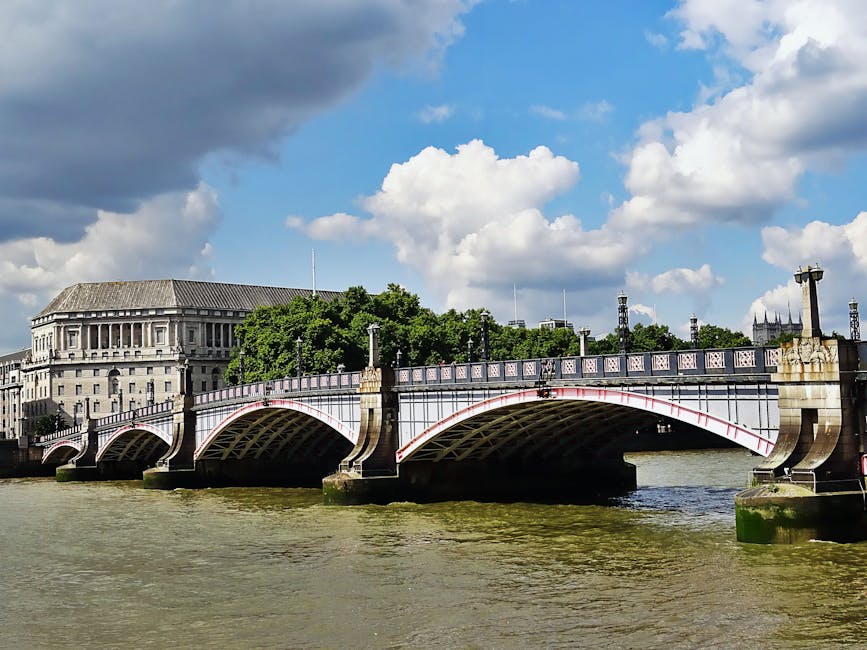
Vauxhall removals access solutions at Vauxhall Station and bridges
Moving in Vauxhall can look straightforward on a map, and then the reality kicks in: tight streets, station traffic, bridge layouts, awkward loading points, and the sort of access issues that only appear when a van is already half in position. That is exactly why Vauxhall removals access solutions at Vauxhall Station and bridges matter so much. If you are planning a flat move, office relocation, or a same-day man and van job around this part of London, the access plan is often the difference between a smooth day and a messy one.
In practice, the best moves here are not just about carrying boxes. They are about timing, route choice, vehicle size, parking sense, lift access, bridge clearance awareness, and a calm approach when the road suddenly narrows or a loading bay is blocked. This guide breaks all of that down in plain English, so you can plan better, avoid avoidable delays, and feel properly prepared. To be fair, that peace of mind is worth a lot on moving day.
We will look at why access planning matters around Vauxhall Station and nearby bridges, how the process works, who needs it most, and what practical steps make the biggest difference. You will also find a checklist, a comparison table, and a few real-world insights that help turn a stressful move into something much more manageable.
Table of Contents
- Why Vauxhall removals access solutions at Vauxhall Station and bridges Matters
- How Vauxhall removals access solutions at Vauxhall Station and bridges Works
- Key Benefits and Practical Advantages
- Who This Is For and When It Makes Sense
- Step-by-Step Guidance
- Expert Tips for Better Results
- Common Mistakes to Avoid
- Tools, Resources and Recommendations
- Law, Compliance, Standards, or Best Practice
- Options, Methods, or Comparison Table
- Case Study or Real-World Example
- Practical Checklist
- Conclusion
- Frequently Asked Questions
Why Vauxhall removals access solutions at Vauxhall Station and bridges Matters
Vauxhall is one of those London areas where the geography shapes the move. The station creates a constant flow of pedestrians, taxis, buses, cyclists, and private traffic. Nearby bridges add another layer, because they influence turning space, approach routes, and where a van can realistically stop without causing chaos. That means a removal job here is rarely just "turn up and unload".
Access solutions matter because the wrong vehicle or the wrong arrival time can create a chain reaction. A van blocks a narrow lane. A lift is too small for a sofa. A bridge approach is busier than expected. A driver has to circle the block, and suddenly twenty minutes are gone. Then the crew is under pressure, the client is stressed, and everyone starts moving faster than they should. Nobody enjoys that.
The area also tends to suit a mix of property types: riverside apartments, converted buildings, office spaces, and compact homes with limited storage access. That mix creates a demand for careful planning rather than brute force. In our experience, the best removals around transport-heavy London locations are the ones where the access conversation starts before the van does.
If you are comparing providers, it helps to check the company background as well as the moving method. A clear about us page can tell you a lot about how a business works, while a transparent health and safety policy is a strong sign that access, lifting, and road safety are taken seriously. Those details do not sound glamorous, granted, but they matter on the day.
How Vauxhall removals access solutions at Vauxhall Station and bridges Works
Good access planning is a combination of observation, timing, communication, and choosing the right equipment. The goal is simple: reduce the number of obstacles between the property and the vehicle. But the process is a bit more layered than people expect.
First, the mover or client assesses the route. That includes the nearest loading point, any one-way streets, bridge approaches, height restrictions if relevant, and how close the van can get to the entrance. Then the building access is checked. Is there a lift? Is the stairwell narrow? Can furniture be dismantled before moving? Is there a concierge, permit, or entry code to sort out in advance?
Next comes vehicle matching. A large van is useful for volume, but in an access-sensitive area a slightly smaller vehicle may save time if it can park closer and make fewer awkward manoeuvres. Sometimes two smaller trips are better than one oversized attempt. That is not inefficiency. That is good judgement.
There is also the human side of the job. A sensible crew will brief the driver and movers before arrival, agree who checks the route, and decide how to protect items during short carries across pavements, forecourts, or station-adjacent walkways. It sounds basic, yet these small decisions make a huge difference.
For clients, the key is communication. Share the exact floor number, lift dimensions if known, parking limitations, and whether the property faces a bridge or station-side road. If you are unsure about any of this, it is better to say so than guess. A good team can work with incomplete information, but they cannot work well with surprise obstacles discovered at the kerb.
What access planning usually covers
- Parking and loading proximity
- Bridge-side traffic patterns and route choice
- Station congestion and pedestrian flow
- Stairwells, lifts, and narrow corridors
- Furniture dismantling and reassembly needs
- Protected carrying for fragile or bulky items
- Timing to avoid peak congestion where possible
Key Benefits and Practical Advantages
When access is handled properly, the whole move feels lighter. Not physically lighter, sadly. Logistically lighter. You notice fewer pauses, fewer awkward reshuffles, and a lot less of that "where on earth can we park?" conversation.
One major benefit is predictability. If the route, parking, and entry points are planned in advance, the mover can estimate timings more accurately and avoid unnecessary waiting time. That is especially helpful if you have building management rules, a tight exit slot, or neighbours who would rather not spend the afternoon listening to a sofa scrape down the stairs.
Another advantage is safer handling. A short, direct carry generally reduces the chance of bumps, drops, and strain injuries. This matters not only for the crew but also for your belongings and the building itself. Corners, door frames, and polished floors tend to suffer first when access is poor.
There is also cost control. Access issues can make a move more expensive if they add time, labour, or repeated loading. Careful planning often prevents that. If you are looking at budget options, checking pricing and quotes early is sensible, because the best quote is the one based on realistic access details, not guesswork.
And let's face it, a calmer move is easier to live with. Less rushing. Less swearing under the breath. More focus on getting the job done properly.
| Benefit | What it means in practice | Why it matters in Vauxhall |
|---|---|---|
| Faster loading and unloading | Less time spent carrying items long distances | Station and bridge traffic can quickly add delays |
| Lower damage risk | Fewer tight turns, bumps, and awkward lifts | Dense streets and narrow access points raise the stakes |
| Better planning | Accurate timings and fewer surprises | Useful where parking and loading are limited |
| Less stress | Clearer coordination for everyone involved | Helpful in busy London settings with lots of moving parts |
Who This Is For and When It Makes Sense
This kind of access planning is not just for huge removals or complicated office moves. In truth, it is useful for almost anyone moving in or around Vauxhall Station and the nearby bridge network. But some people need it more than others.
You will probably benefit most if you are:
- moving into or out of a flat with limited parking
- relocating from a riverside building or high-rise block
- dealing with a property near the station or a busy bridge approach
- moving bulky furniture, appliances, or fragile items
- organising a same-day move where timing is tight
- running a small office or studio that needs minimal disruption
It also makes sense if you have vulnerable items, such as glass tables, artwork, musical equipment, or computers. These are the things that dislike unnecessary carrying distance and hurried handling. They are a bit dramatic like that.
Families often need access solutions because there is simply more stuff: buggies, cots, wardrobes, storage boxes, and the inevitable "how do we fit this one last chair?" moment. Businesses, meanwhile, often care more about keeping staff or customers moving while the relocation happens. Different pressures, same need for a solid access plan.
Step-by-Step Guidance
Here is a practical way to approach a move that involves Vauxhall Station or bridge-related access constraints. It is not complicated, but it does need a bit of method.
- Map the approach. Identify the best arrival point for the van and the shortest sensible carry route to the property.
- Check parking and stopping options. Look for legal loading space, any building restrictions, and whether a second person will need to hold the lift or manage the door.
- Measure awkward items. Sofas, wardrobes, desks, and fridges are the usual culprits. If they will not fit through the lift or stairwell, plan dismantling early.
- Confirm building access details. Entry codes, concierge rules, lift booking slots, and service entrance instructions should all be ready before moving day.
- Decide on packing and protection. Use covers, blankets, straps, and trolleys where appropriate. A short move can still go wrong if fragile surfaces are left exposed.
- Set a realistic time window. London access can be unpredictable. A small buffer often saves the day.
- Keep communication live. If traffic builds or access changes, let the mover know quickly. A five-minute update can prevent a twenty-minute problem.
If you want to keep the day orderly, ask for all important terms and conditions up front as well. That includes waiting time expectations, parking assumptions, and what happens if access is worse than described. You can review the basics through the company's terms and conditions before you commit.
A small but useful habit: take a few photos of the entrance, the parking area, and any awkward corners. You do not need a glossy album. Just enough to remind everyone what the access actually looks like. At 7:30 in the morning, those photos can be gold.
Expert Tips for Better Results
Most access problems are not dramatic disasters. They are small avoidable issues. That is the good news. The bad news is that small issues love to pile up. Here are a few practical ways to stay ahead of them.
Tip 1: Think in metres, not just addresses. The most important part of a move is often the gap between the van and the front door. A slightly longer walk can change the whole rhythm of the job.
Tip 2: Plan around local traffic rhythms. Vauxhall can feel very different at various points in the day. A route that is fine mid-morning may be frustrating later on, especially near the station or bridge approaches. You do not need to be a traffic analyst. Just avoid assuming every hour is the same.
Tip 3: Be honest about access. If the stairwell is tight, say so. If the lift is slow or small, say so. Nobody benefits from optimism that turns out to be fictional.
Tip 4: Protect the building as well as the furniture. Door guards, floor protection, and careful cornering are basic standards, not extras. They show professionalism and reduce complaints from building managers or neighbours.
Tip 5: Use the right support pages when choosing a mover. Safety, accessibility, payment, and privacy are not thrilling reads, but they tell you a lot about how the company operates. If a business is open about its insurance and safety, payment and security, and privacy policy, that is a reassuring sign.
And a slightly old-school point, but a good one: speak to a real person if you can. A quick chat often reveals access details that a form alone would miss. Human conversation still beats a dozen tick boxes. Annoyingly, yes, but true.
Common Mistakes to Avoid
Access issues tend to appear when people underestimate the site, not the move. That is the trap. The boxes are ready, the van is booked, and everyone feels organised. Then the road narrows, or the loading area is taken, and the plan unravels a bit.
- Assuming a van can park right outside. In central and near-central London, that is often wishful thinking.
- Ignoring bridge and station traffic. Busy nodes are busy for a reason. They affect timing.
- Not measuring large furniture. A wardrobe that almost fits is still a wardrobe that does not fit.
- Forgetting building rules. Some blocks need advance notice, lift booking, or protective coverings.
- Booking too little time. Rushed removals are where mistakes creep in.
- Leaving access details until moving day. That tends to produce unnecessary stress. Funny how that works.
A useful rule of thumb: if a detail could affect the walking distance, the turning space, or the carry route, it belongs in the planning stage. Not later. Later is expensive in moving terms.
Tools, Resources and Recommendations
You do not need specialist equipment for every move, but the right tools make access-heavy jobs much easier. Some are physical items, some are simple planning aids, and some are service pages that help you choose the right support.
Useful moving tools
- Furniture blankets and door protectors
- Straps for stabilising bulky items
- Two-wheeled dollies or sack trucks for heavier boxes
- Protective covers for mattresses and soft furnishings
- Basic tool kit for dismantling beds, tables, or shelving
Useful planning resources on the site
- pricing and quotes for understanding how access can influence the final job cost
- contact us for discussing route, parking, and timing details before booking
- accessibility statement for learning more about site and service accessibility commitments
- recycling and sustainability if your move involves clearing out unwanted items responsibly
If you are decluttering before the move, the sustainability angle can be surprisingly useful. Fewer items means fewer access headaches, fewer lifts, and less time spent carrying things down long corridors. A simple win, really.
Law, Compliance, Standards, or Best Practice
For removals around Vauxhall Station and bridges, the main compliance concerns are practical rather than dramatic. The aim is to avoid obstruction, reduce risk, and respect building and transport conditions. That usually means working within local parking arrangements, observing any loading restrictions, and following building rules carefully.
On the safety side, good practice normally includes manual handling awareness, suitable lifting techniques, secure loading, and sensible route planning. If a move involves stairs, narrow access, or heavy items, a cautious approach is far better than trying to power through. That is where professional judgment matters.
Clients should also expect clear information about how items are handled, what insurance is in place, and what the provider's responsibilities are. If you want a better sense of those standards, the insurance and safety page is a helpful place to start. For broader service expectations, the health and safety policy and terms and conditions are worth reviewing too.
Where compliance touches privacy or payment handling, you should also feel comfortable checking the relevant policies. Not because every move is a legal puzzle, but because clarity builds trust. That matters.
Options, Methods, or Comparison Table
There is no single best way to manage access. The right approach depends on the building, the size of the load, the available parking, and how busy the surrounding roads are. Here is a simple comparison that helps with decision-making.
| Method | Best for | Advantages | Limitations |
|---|---|---|---|
| Direct kerbside loading | Properties with workable stopping space | Fast, simple, less carrying | Not always possible near busy station or bridge routes |
| Short carry from nearby parking | Busy streets with limited stopping room | Flexible, often realistic in London | Takes more time and crew effort |
| Smaller vehicle with multiple runs | Very tight access or low-clearance routes | Better manoeuvrability | Can extend total job time |
| Dismantle-and-move approach | Bulky furniture or narrow interiors | Reduces snagging and damage risk | Needs tools and reassembly time |
In many Vauxhall moves, the smartest option is a hybrid one. For example, a small van might park slightly further away, while larger furniture is dismantled in advance and carried with protection. That kind of mixed approach is often the most practical. Not flashy. Just effective.
Case Study or Real-World Example
Picture a weekday morning move from a one-bedroom flat near Vauxhall Station. The client has a sofa, bed frame, desk, boxes of books, and a fridge. On paper, it seems manageable. But the front of the building has limited stopping space, the entrance sits close to a busy pedestrian flow, and the lift is small enough to make everyone sigh a little.
Rather than arriving and hoping for the best, the mover checks the route in advance, confirms the access code, and asks for a photo of the lift interior. That one photo saves time straight away. The bed frame is dismantled before the move. The sofa is wrapped. The van arrives just outside the planned slot, the crew works from the shortest possible carry route, and the client is out on time. No drama, no last-minute scrambling.
The small win here is not that the move was easy. It was that the difficulty was expected. That is what access planning really does: it turns unknowns into manageable tasks. A little boring, perhaps. Very useful, definitely.
For the client, the calmer experience also meant less disruption to the day, fewer chances of damage, and a better sense that the move was being handled properly. That sort of confidence is worth a lot when you are standing on a pavement with a coffee going cold in your hand.
Practical Checklist
Use this checklist before moving day. It is simple, but it catches most of the common access issues.
- Confirm the exact address, floor number, and entry instructions
- Check whether parking or loading space is available near the entrance
- Note station-side congestion or bridge-related traffic concerns
- Measure oversized furniture and check lift or stair clearance
- Book any required building access slots or concierge approval
- Prepare packing materials, covers, and dismantling tools
- Share any security codes or contact numbers in advance
- Review pricing, payment, and insurance details before confirming
- Keep your phone charged and available on the day
- Allow a little extra time, because London does like a surprise now and then
Expert summary: the best Vauxhall removals access solution is usually the one that reduces walking distance, avoids unnecessary manoeuvres, and respects building and traffic constraints from the start. If you get those three things right, the rest becomes much easier.
Get a free quote today and see how much you can save.
Conclusion
Vauxhall removals access solutions at Vauxhall Station and bridges are really about making a complicated local environment feel manageable. The area rewards planning: clear communication, the right vehicle, realistic timing, and a proper understanding of how station traffic and bridge access affect the day. If you prepare well, the move becomes smoother, safer, and far less stressful.
The main thing to remember is this: access is not an afterthought. It is part of the move itself. Once you treat it that way, everything improves. Timings get clearer, costs are easier to control, and the physical work becomes much safer for everyone involved.
So take the time to check the route, ask the right questions, and choose a mover that takes the practical side seriously. It is a small amount of effort for a much calmer moving day, and honestly, that calm is the bit you will remember.
Frequently Asked Questions
What are Vauxhall removals access solutions at Vauxhall Station and bridges?
They are the practical methods used to make removals easier in an area with busy station traffic, bridge approaches, limited parking, and tricky building access. The idea is to reduce delays and make loading and unloading safer.
Why is access such a big issue around Vauxhall Station?
Because the station creates constant movement from pedestrians, vehicles, and public transport, which affects where a van can stop and how long it can stay there. Even a small delay can ripple through the whole move.
Do I need a smaller van for a move near the bridges?
Not always, but a smaller van can be useful if access is tight, streets are narrow, or parking is limited. Sometimes a slightly smaller vehicle is more efficient than a larger one that cannot get close enough.
How do I know if my furniture will fit through the access route?
Measure the item and compare it with the stairwell, doorway, and lift dimensions. If you are unsure, dismantling larger furniture in advance is often the safest option.
Can access issues increase the cost of a move?
Yes, they can, especially if they add time, labour, or extra carrying distance. That is why accurate information matters when requesting a quote.
What should I tell the removals team before moving day?
Tell them about parking, entry instructions, floor level, lift size, stairs, loading restrictions, and any awkward items. The more accurate the detail, the better the plan.
Is it worth booking a quote early?
Absolutely. Early quoting gives you time to discuss access properly, compare options, and avoid rushed decisions. It also helps with scheduling, which can matter in busy London locations.
What if parking near my building is not available?
The move can still work. The team may use nearby parking and complete a short carry, but that needs to be planned in advance so timings and labour are realistic.
Are bridge routes and station-side roads always busy?
Not always, but they are often busier than quieter residential streets. Timing and route choice can make a big difference, so it is best not to assume travel will be straightforward.
How can I reduce the risk of damage during a difficult access move?
Use protection for furniture and doorways, dismantle large items where needed, and make sure the carry route is clear. Shorter, safer carries usually mean fewer mishaps.
What should I check in the mover's policies?
Look at insurance, safety, payment, privacy, and terms. These pages show how the company handles responsibility, data, and customer expectations, which is useful before you book.
Who is this type of access planning best suited for?
It is especially useful for flats, offices, riverside buildings, and any move near busy transport routes or restricted parking areas. In short, if access looks awkward, this planning helps a lot.
What is the next sensible step if I am planning a move in Vauxhall?
Start with an accurate access check, then request a quote and speak through the route and timing in detail. A few minutes of planning now can save a lot of stress later.